Three Inches Short: The Graphic That Didn’t Fit Its Frame
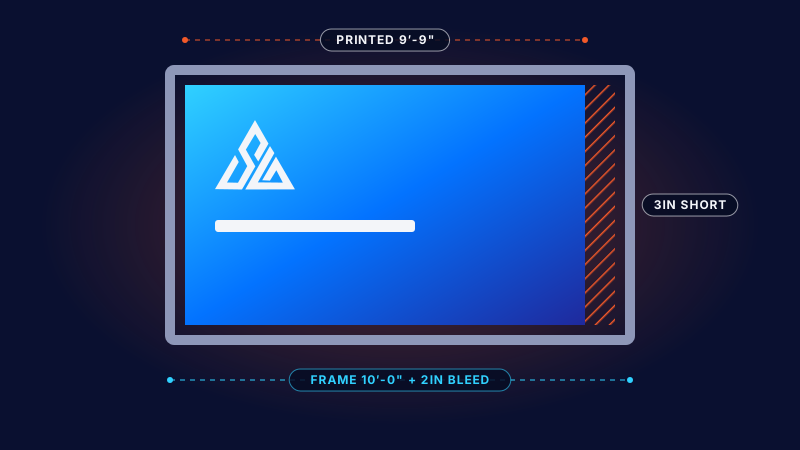
The artwork was sized to the visible frame, not the frame plus SEG bleed. It arrived on site three inches short, and the only fix was a full reprint.
What happened
The design team built the back-wall graphic at the dimension shown on the booth drawing: the visible face of the frame. Tension-fabric (SEG) graphics need extra material on every edge so the silicone bead can be pushed into the channel. Without it, the fabric physically cannot reach the frame.
The panel was printed, shipped and unpacked on install day. It was short on every side.
What it cost
- A rush reprint at on-site or overnight rates, usually several times the original print cost.
- Expedited freight to the venue.
- A booth that opened with a bare frame, or a hasty patch, on the first morning of the show.
The spec that prevents it
- Get the fabricator’s template, not the booth render. Build artwork to the template’s full size, including bleed.
- Lock the units. Confirm feet-and-inches versus millimetres in writing before anyone opens a design file.
- Separate the three boxes: bleed (cut away), trim (frame edge) and safe zone (where text lives).
- Pre-flight every file against the template before it leaves your hands.
Our 2-inch SEG safety margin engineering builds bleed, trim and safe zones into every file from the first draft, so the fabric always reaches the frame.
Sending files to a fabricator soon? A Print File Pre-Flight checks every dimension against the template before you pay for a single metre of fabric.